Why the calendar starts in autumn
Schools in most of Europe start in September, though dates vary by region, and in Germany and Austria they range from late July to mid-September. Shelves fill in July and August. Working backwards, goods should arrive in June–July, which means production in spring and orders from January to April.
Two things squeeze that window. Factory holidays in late January–February stop production for three to five weeks. Private label items need time for artwork, proofs and samples before production starts. A buyer who waits until April can still get stock items, but rarely their own brand. Our back-to-school programme is built around these dates.
Month by month
| Period | What to do |
|---|---|
| September–October | Review last season: sell-through, leftovers, gaps. Set the budget and the range plan. |
| November–December | Request quotes and samples. Choose designs for backpacks, pencil cases and notebook covers. |
| Early January | Approve samples. Confirm orders for private label and long-lead items before the factory holidays. |
| Late January–February | Factory holidays. Production pauses. Finish artwork and packaging files. |
| March | Last practical point to confirm private label. Production restarts and runs. |
| April | Last orders for stock items with standard packaging. Pre-shipment inspections begin. |
| May–June | Shipments in transit. Prepare listings, displays and store allocations. |
| June–July | Goods arrive in the warehouse. Distribute to stores. |
| July–August | Shelves full. Track sales and top up with stock items. |
These are typical dates, not guarantees. When ordered by early January, private label goods typically arrive in June. When ordered in April, stock items typically arrive in July. Order to warehouse takes about 8–12 weeks, of which production is about 25–45 days and rail or sea transit about 25–45 days.
What to order first
Order items by lead time, not by importance. The longest lead items go first:
Backpacks and pencil cases
These need fabric and print approval, and the design changes every year. School and preschool backpacks, trolley backpacks and 3-in-1 sets with pencil case and lunch bag are bulky, so they also take freight space early. See pencil cases and school bags.
Printed notebooks and exercise books
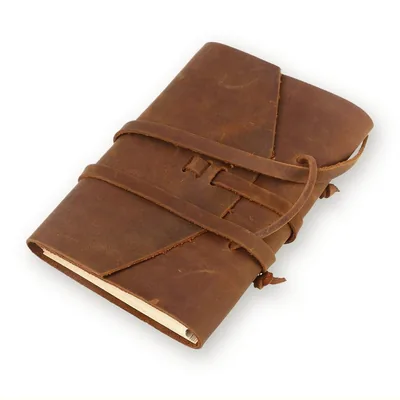
Own cover designs, inside rulings for different school years and multilingual labels take time to approve. Paper is heavy, so plan the freight route. See notebooks.
Branded sets and display boxes
Stationery sets in a blister card, counter display boxes for pens or erasers and gift-boxed colouring sets need packaging artwork with GPSR data and translations.
Children’s art and colouring
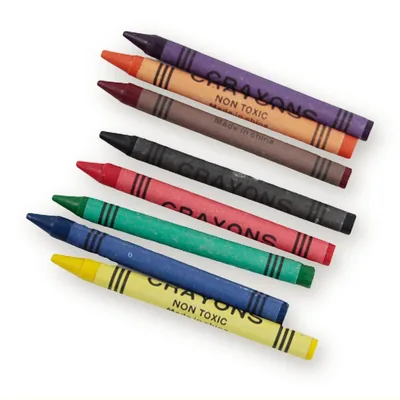
Crayons, finger paints, kids art sets and figure-shaped erasers may need test reports. For children’s items we request the manufacturer’s reports, for example EN 71-3, per product and on request. Allow time to collect them. See colouring and crayons and art supplies.
Core consumables
Pens, pencils, erasers, sharpeners, rulers, glue sticks and correction tape repeat every year and change little. They can be ordered later, and topped up in July. See school supplies.
Planning quantities
Start from last year’s sell-through by item, not from the order. Leftovers in September usually go to clearance, so a cautious first order plus a planned top-up is safer than one large order. Keep the top-up to stock items that ship quickly.
- Split the range into core items (reordered every year) and trend items (new designs, colours, characters of your own).
- Order trend items early and once; there is rarely time to reorder.
- Check pack sizes: pens and pencils come in inner boxes, crayons in sets, paper in packs. Round quantities to whole cartons.
- For chains, plan quantities per store cluster and agree how cartons are labelled.
Shops, chains and online sellers plan differently
An independent stationery shop can mix many items in small quantities from the catalogue and top up during the summer. A supermarket or discounter chain buys a fixed range for a promotion week, so the arrival date matters more than the price of a single item, and cartons must arrive labelled for distribution. An online seller needs listings, photos and GPSR data ready before the goods arrive, because search ranking for back-to-school builds in July. Pick the plan that matches your channel; see our pages for stationery shops, retail chains and online sellers.
Watch the other seasons that overlap
Back-to-school is not the only deadline in spring. Dated diaries, academic planners and calendars sell from September to January, so they should be ordered by about May–June. Corporate notebook-and-pen sets and welcome kits for Christmas are ordered by September–October. If you buy all three, the planning cycle runs all year. Office supplies run alongside as steady replenishment.
Trade fairs and range reviews
Sector trade fairs take place in late January–February, at the same time as the factory holidays. Many buyers see new ranges there and decide afterwards, which is often too late for private label. If you go to fairs, request samples in the autumn and use the fair to confirm, not to start.
Documents and labels to prepare in time
Each item sold to consumers needs GPSR data on the product or pack: the EU economic operator’s name, postal and e-mail address, a type or batch number and warnings in the language of each country of sale. Packaging registration (EPR) applies in many countries, for example LUCID in Germany, BDO in Poland and the Triman logo in France. Collect these details before you approve packaging. More on the quality and compliance page.
If you are already late
If it is April or later, focus on stock items from the catalogue with standard packaging, add your label or sticker where possible, and choose rail or air for urgent light goods at a higher cost. Our catalogue shows the factory MOQ for each product. For the next season, put the January date in your diary now. Send us your range list and we return an offer within 2 working days.